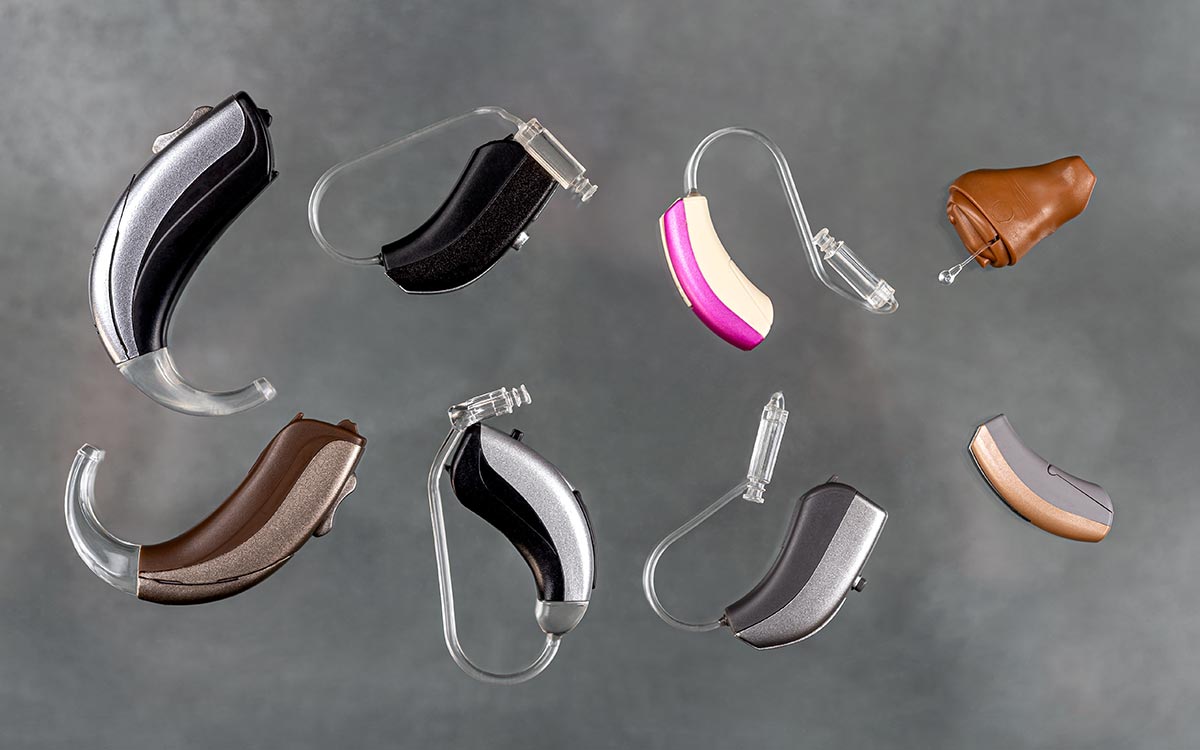
The total amount of hearing aid designs and technology levels on the market today can make the selection process feel complicated. But regardless of your needs, there’s an auditory solution for every lifestyle, preference, and degree of hearing loss. It’s just an issue of locating it!
Feeling positive about your selection begins with knowing how different hearing aids function and compare. In this analysis, we glance at current styles and the unique characteristics that define them.
The ITC (In-the-Canal) Style Explained
Basic Overview:
ITC models are custom-made to sit within the ear canal, though an inconspicuous part of the shell remains visible in the ear’s outer portion.
The Perks:
- Provides an understated appearance compared to traditional styles
- Custom-molded for comfort
- A useful choice for those with moderate hearing needs
Because they provide both discretion and useful features, ITC models are a top pick for those new to hearing technology.
Invisible-in-Canal (IIC) Hearing Aids
How they work:
As the most compact custom option, IIC aids represent the smallest available style. They are placed deeply within the canal to remain hidden from view.
User Pros:
- Highest degree of discretion for the wearer
- Strategic positioning enables an incredibly organic listening experience
- Designed for comfort with an incredibly small footprint
The small form factor of IIC models makes them perfect for mild hearing loss and anyone who values a stealthy hearing solution.
In-the-Ear (ITE) Hearing Aids
The Basics:
A custom hearing aid fits securely within the outer ear, available in both full-shell and half-shell configurations. The shell is uniquely formed to the specific contours of your individual ear.
The Advantages:
- The bigger size makes it possible to include more internal components and longer-lasting batteries
- Ideal for individuals who find smaller devices hard to manipulate
- Effective for mild to profound hearing loss
The all-in-one nature of the ITE style makes it a favorite for those who dislike behind-the-ear equipment.
Behind-the-Ear (BTE) Hearing Aids
What they are:
These devices sit on the outer portion of the ear’s anatomy. Audio travels into the ear canal through an internal tube or custom earmold.
Reasons for Selection:
- Highly flexible and durable
- Provides an extensive range of amplification suitable for nearly any user
- Big enough to house sophisticated software and modern rechargeable technology
BTE devices are an excellent choice for individuals seeking reliability, ease of use, and strong amplification.
The RIC Style Breakdown
Mechanical Arrangement:
In a modern model, the speaker is separated from the main casing and placed inside the canal via an ultra-fine wire.
Key Benefits:
- Highly natural sound quality
- Users appreciate the slim profile and comfortable fit for all-day use
- A versatile solution that works for various degrees of auditory needs
RIC units are extremely popular currently because they balance appearance with powerful functionality.
Extended-Wear Device Details
Usage Summary:
These unique aids are built to stay in the ear canal for a month or more, managed by your hearing specialist.
The Draw:
- Perfect for users who want to bypass the routine of handling hearing aids daily
- Offers a 100% discreet solution for hearing health
- Engineered to be worn throughout everyday activities, including sleeping and exercising
For a “hands-off” method of auditory assistance, extended-wear technology is the top recommendation.
Bluetooth-Enabled Hearing Aids
What they are:
Bluetooth-ready hearing aids enable an electronic bridge between your hearing technology and your smart devices.
Digital Advantages:
- Enjoy direct audio streaming from your phone or TV right into your ears
- Allows for quick, discreet adjustments to your hearing aids through digital software
- Perfectly matched for the needs of a tech-savvy, connected individual
Bluetooth options are available across many styles, including RIC, BTE, and some ITC models.
Middle-Ear Implants
Procedure Information:
Middle-ear implants are specialized tools that employ mechanical vibration to enhance hearing via the middle ear.
Medical Reasons:
- Serves as an essential alternative for those who find no success with traditional amplification
- Ideal for users who experience chronic irritation from standard molds
These devices require a thorough medical review by a hearing, nose, and throat expert.
Selecting Your Ideal Hearing Option
Every hearing aid style provides its own advantages, and the right option depends on your level of hearing loss, comfort preferences, lifestyle, and cosmetic considerations. By consulting a specialist, you can investigate various models and see which one feels most natural to you.
If you’re prepared to explore the possibilities, schedule an auditory evaluation today. Your future of assured communication starts with this first evaluation.
Sources:
https://www.mayoclinic.org/diseases-conditions/hearing-loss/in-depth/hearing-aids/art-
20044116
https://www.hearinglife.com/hearing-aids/types
https://www.nidcd.nih.gov/health/hearing-aids