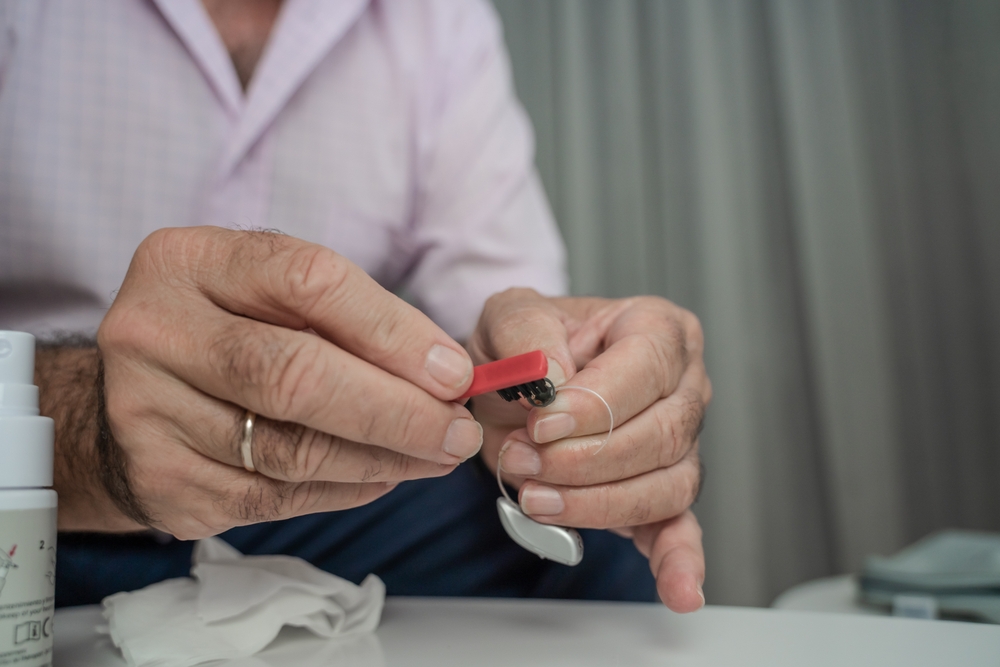
After you have become accustomed to wearing your hearing aid, it becomes a crucial element of your daily routine. The thought of it malfunctioning can be intimidating, not just because of the hassle but also due to the potential cost of repairs or replacements.
How to best care for your hearing aid
Understanding what can damage your hearing aid and learning how to maintain it correctly will help you maintain its performance and ensure it continues to improve your quality of life.
Practical care of batteries
The performance of your hearing aid depends considerably on its battery. Thus, it is essential to pick the appropriate batteries for your device. Consult with your hearing specialist to determine the best battery type for your model.
Handling the batteries with care is just as important. Oils, dirt, and moisture from your hands can contaminate the batteries, resulting in potential damage.
Before replacing the battery, ensure your hands are clean and totally dry to keep any moisture from getting into the device.
Adhere directly to the manufacturer’s directions, particularly regarding battery upkeep. Turn off your hearing aid when it’s not being used to preserve battery life and store it in a secure , dry place. Familiarizing yourself with the battery’s typical lifespan is also beneficial.
Mark on your calendar when you replace the battery, so you can anticipate when it needs to be replaced. To avoid being stuck without power, always carry a spare battery with you, especially when you’re away from home.
Prevent moisture damage
Hearing aids, being technological devices, are vulnerable to moisture. Even nominal exposure can lead to damage or a total breakdown of the device. To safeguard your hearing aid, consider purchasing a dehumidifier developed specifically for hearing aids. This device can securely store your hearing aid when it’s not being used, keeping it dry and free from moisture-related problems.
To safeguard your hearing aid from water damage, it’s a good idea to take it out before taking part in activities that make you sweat heavily. Having said that, consult your hearing specialist first, as taking out your hearing aid during exercise, particularly outdoors, might pose safety risks by reducing your ability to hear external sounds like traffic or alarms. If necessary, opt for indoor exercise where it’s safer to be without your hearing aid, and always remember to remove your device before showering or swimming.
Moreover, it is recommended to refrain from using spray deodorants, hairspray, and any other aerosol products when your hearing aid is in your ear. These products contain moisture and chemicals that can build up on the device, leading to long-term damage. In order to minimize exposure, use these types of products before putting in your hearing aids.
Prevent excessive ear wax accumulation
Although earwax serves as a natural barrier, protecting your ears from debris, dirt, and small insects, it can also hamper the proper performance of your hearing aid. Earwax can accumulate in the device, causing it to breakdown. For proper maintenance, make an appointment with your audiologist or doctor to assess the amount of earwax build-up and establish an individualized cleaning plan tailored to your ears and hearing device.
Cleaning your ears safely is crucial– never insert any objects into your ear canal. Instead of that, let warm water go into your ears while you are showering. This can help in breaking down and removing some of the earwax. It is also suggested to have your ears cleaned routinely by a professional. Even though this might be a bit of a hassle, it’s a minor problem in comparison to the disappointment and problems that can arise from a hearing aid that’s not functioning properly due to a buildup of earwax.
To properly clean your hearing aid, carefully adhere to the guidelines provided by the manufacturer.
Different types of hearing aids may require different cleaning techniques, and using the wrong method could cause harm to your device. If you’re unsure about the proper cleaning method, consult your hearing specialist or hearing aid provider to ensure you’re taking the correct steps to protect your device from earwax damage.
Simple methods to ensure lasting reliability
After you’ve grown accustomed to wearing your hearing aids, they become an indispensable part of your life, making it difficult to envision managing without them. By taking a few easy precautions, you can avoid damage and ensure your hearing aids continue to be reliable for years to come. Regular maintenance, appropriate storage, and cautious handling are key to keeping your hearing aids in optimum condition, allowing you to keep enjoying the enhanced quality of life they provide.
Schedule an appointment if you’re experiencing issues with your hearing aid or need to schedule a regular maintenance appointment.