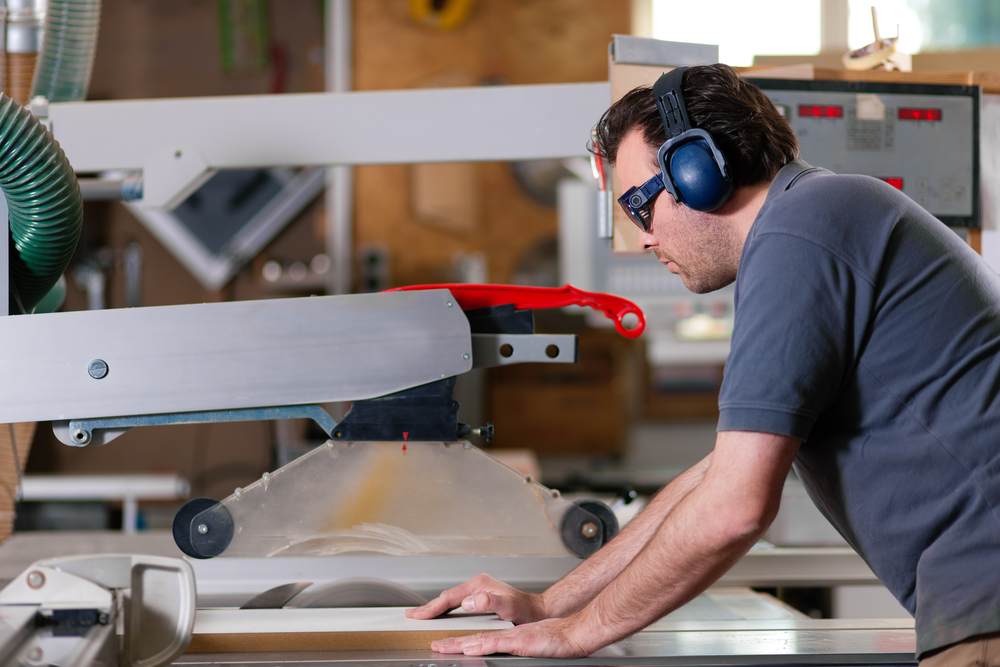
Exposure to noise for long periods poses a serious risk to your auditory health, especially in settings where the sound intensity exceeds safety thresholds. You must defend your ears; this is important for not just preventing hearing loss—it also helps you keep focus amidst noisy conditions. So, how do you choose the ideal level of hearing protection for your needs?
How noise levels influence your hearing
The damage caused by noise exposure is a result of both its volume and the time spent in that environment. Decibels are the fundamental measurement tool for noise, measuring the volume of sound. Hearing damage can begin when sound volume reaches 85 dB or more, especially after sustained exposure.
To provide a illustration, 85 dB is comparable to the sound of urban traffic when perceived from inside a vehicle. Even though this might not sound excessive, eight hours of continuous exposure at this level can begin harm to your hearing. The safe period of exposure becomes shorter when the sound is more intense:
- Exposure to 90 dB (the sound of a Lawnmower) for more than 4 hours could be damaging.
- Exposure to 100 dB (Power tools) must be restricted to a maximum of 60 minutes.
- Only 15 minutes of exposure to 110 dB (like a Leaf blower) is enough to cause harm.
- Even momentary exposure to 120 dB (e.g., a Rock concert) is enough to cause hearing damage.
- Exposure to 140 dB (Jet engine) results in immediate damage and intense pain.
Determining unsafe levels of noise
If you’re routinely exposed to noise levels of 85 dB or more, wearing hearing protection is vital. The need for protection is greater in work settings, including plants and construction, or in any location where machinery, gear, or tools create significant noise.
You can encounter dangerous noise levels even in recreational activities—such as attending concerts, utilizing leaf blowers, or shooting sports—making hearing protection smart outside of a job setting.
How the Noise Reduction Rating guides your decision
The Noise Reduction Rating (NRR) is the primary metric employed to measure how well hearing protection performs. This rating tells you how much sound the unit can attenuate, expressed in decibels. More substantial protection is shown by a larger NRR number. To give a practical example, a 30 dB NRR on earplugs would decrease an 85 dB noise down to 55 dB, which is a sound level far below the dangerous limit.
When deciding on your protection, you should evaluate the actual noise intensity you are exposed to and ensure the protector provides the necessary blockage to keep the sound below 85 dB.
Consistency depends on comfort: why it’s so essential
Although the NRR is important, comfort is just as significant for ensuring that the protection will be used consistently over time. You might be likely to take off the protection if it is uncomfortable or cumbersome, thereby subjecting your ears to damaging sound.
The more comfortable the protector, the more likely you are to use it continuously, which effectively reduces the risk of occasional exposure. For instance, if earmuffs are too heavy or cause discomfort, you may be inclined to remove them periodically, subjecting your ears to harmful noise levels.
Exploring the various options of ear protection
Different forms of hearing protection exist, and each one offers unique benefits and cons:
- Foam Earplugs: These sit inside the ear canal and offer excellent noise reduction. They’re lightweight and disposable but may feel uncomfortable for some users.
- Being reusable and resting just outside the ear canal, Pre-Molded Earplugs are a more sustainable choice and are also easier to insert and remove than foam earplugs.
- Earmuffs enclose the ear completely; they are best for varying noise environments because of their ease of removal and donning. A common disadvantage is that they can feel warm or heavy with continuous wear.
The optimal choice of protection is determined by your individual preferences and the particular needs of your environment. Construction workers, for instance, might prefer the ease of use provided by earmuffs, whereas factory personnel may select earplugs for constant wear.
Making sure you wear it continuously
The protection that is used consistently is, by nature, the most effective kind. Taking off the protection for even a few minutes can result in permanent harm to your hearing. An option that successfully combines convenience, protection, and comfort is, therefore, paramount.
Securing your auditory well-being
While noise is ever present in our daily lives, using the appropriate hearing protection enables you to protect your ears and continue to enjoy the sounds of the world.
Reach out to us now to review your risk of noise-related hearing loss and how to best protect your hearing health.